The rapidly evolving technology landscape significantly influences various sectors worldwide, and the printing industry is no exception. A myriad of printing industry trends have come to the fore in recent years, redefining how businesses consume and present information. While the advent of the digital age spurred predictions about the eventual demise of print, those forecasts have been dramatically off target. Instead, the industry has adapted and evolved, embracing new technologies to meet changing market demands.
The Digital Drive
Digital printing technology has experienced a significant surge, carving out a niche for itself in the global printing market. With the growing demand for high-quality, short-run jobs, digital printing has provided an effective solution. Not bounded by the economics of traditional offset printing, digital printing allows businesses to print only what they require, reducing waste, and promoting sustainability.
Digital printing also enables personalized and variable data printing. It allows businesses to leverage data intelligently to create individual customer experience, rather than sending generic marketing material to a broad audience. Brands can tailor their messaging to suit specific customer demographics, habits or preferences, significantly improving marketing effectiveness.
Green Printing
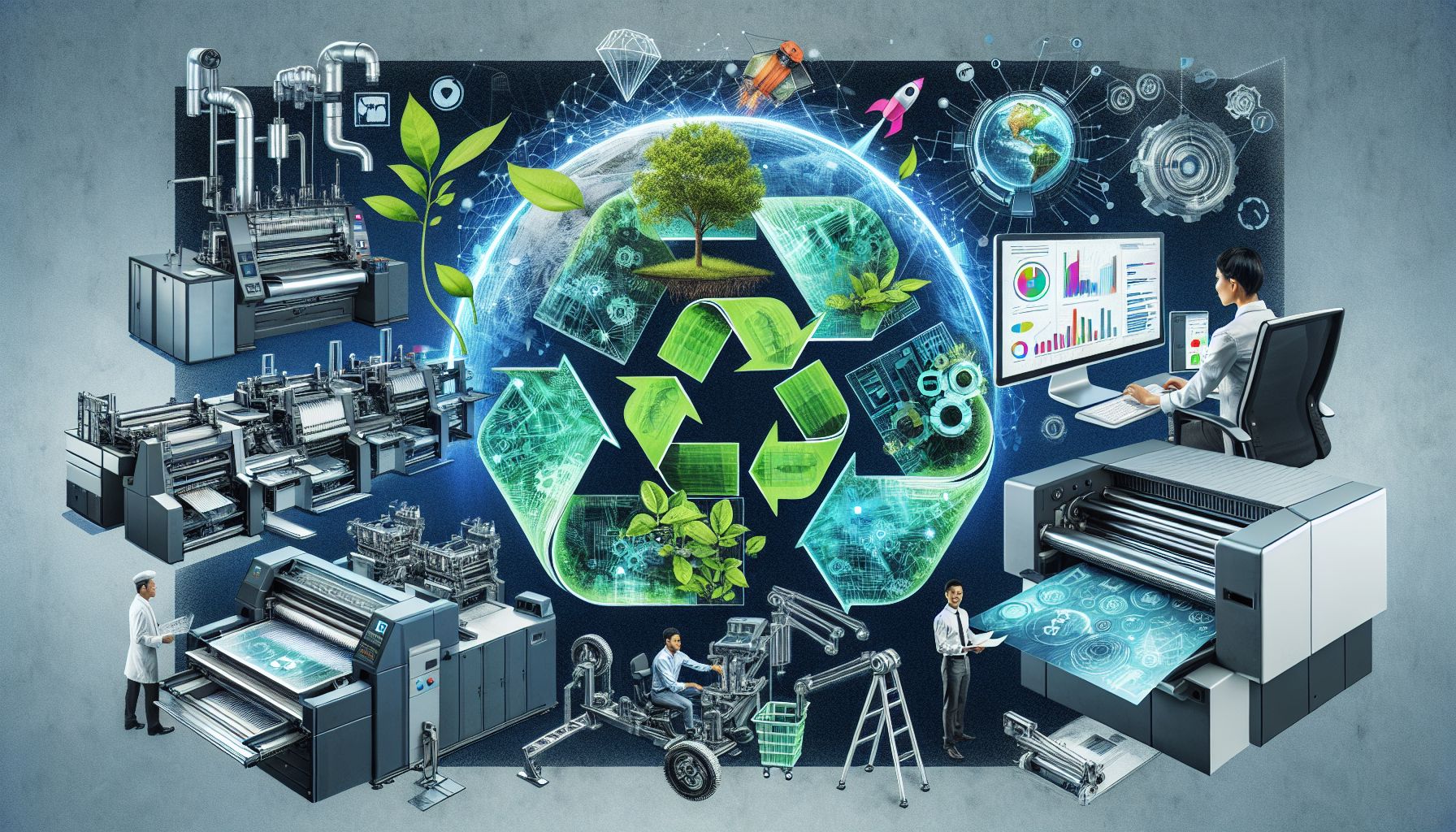
The dire need for global environmental sustainability is reshaping countless industries, and the printing sector is at the forefront. Green printing, that is, practices and processes that minimize environmental impact, has gained significant traction among businesses worldwide.
Reducing the carbon footprint involves adopting eco-friendly inks and papers and following energy-efficient practices. Moreover, the rise of digital printing has brought about a decrease in waste, contributing positively to this agenda. Businesses are now more conscious about the ecological consequences of their actions and are increasingly choosing to partner with printing providers that prioritize sustainability.
Interactive Print
Technological advancements have provided opportunities for the printing sector to merge the physical with the digital. Technologies like Augmented Reality (AR) and Quick Response (QR) codes transform standard print material into interactive experiences. For instance, consumers can scan a QR code on a print ad with their smartphone, which transports them to a website or a video. Similarly, AR can bring print ads to life, providing an immersive experience for consumers.
This trend, often termed “Interactive Print,” is revolutionizing print advertising and marketing efforts. It delivers a unique, engaging experience for consumers, moving beyond the one-dimensional restrictions of traditional print media.
Security Printing
In an increasingly data-driven world, security concerns have surged. One such solution to this dilemma is security printing. An area of print which has seen substantial growth includes the production of cheques, passports, stamps, and certain types of packaging, using specific techniques that help prevent counterfeiting and forgery.
There are several security printing methods such as holography, intaglio printing, and applications of special inks that react differently to specific factors. The increasing demand for secure documentation and merchandise authenticity has led to the growth of this segment of the printing industry.
E-commerce and Online Print
The proliferation of e-commerce has opened up new possibilities for the print industry. Nowadays, customers demand quick and easy online ordering options for everything, included printed materials. From business cards and promotional materials to personalized gifts and packaging, customers are now able to order almost any printed material online. For businesses, having an online presence is essential to remain competitive and meet customer expectations.
This trend has dual benefits. On one hand, it provides businesses the ability to cater to wider market segments, regardless of geographical limitations. On the other hand, it also gives customers convenience, choice, and control, allowing them to make informed buying decisions.
Future of The Printing Industry
While technology has posed challenges for many traditional industries, it has also created fresh possibilities for the print industry. Like any other sector, adaptability and innovation will continue to shape the future of the print industry. Whether it’s the rise of digital printing, green printing practices, interactive print, security printing, or the proliferation of e-commerce, the industry is witnessing major shifts.
In conclusion, the printing industry is far from being obsolete. Rather, it’s thriving and evolving at a rapid pace. Staying abreast of these trends is crucial for businesses to navigate the changes and leverage the benefits. As we continue to advance further into the digital age, it will continue to influence and shape the way we communicate, advertise, and do business. The future is indeed bright –and incredibly exciting— for the print industry.