
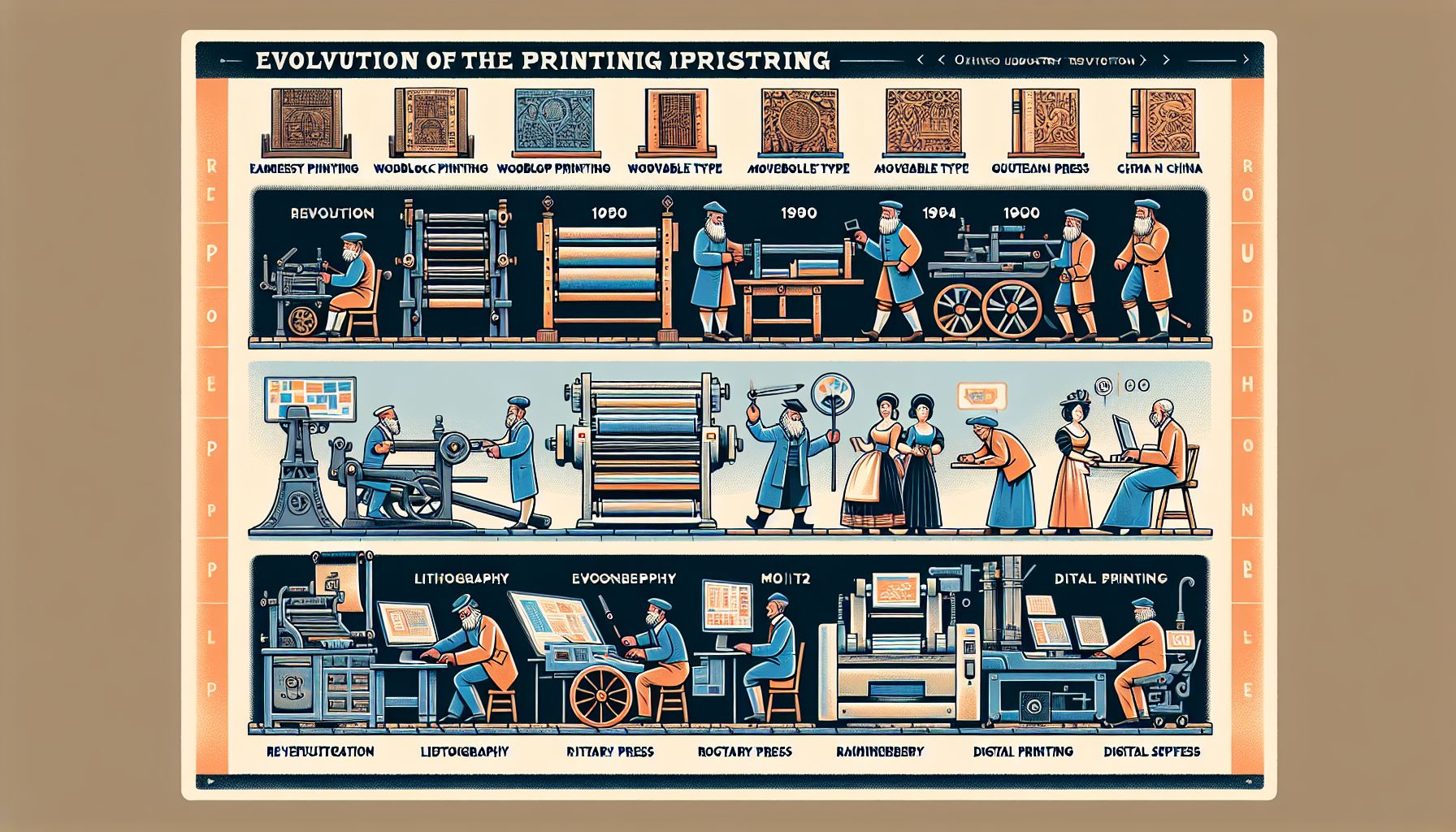
The printing industry has seen significant advancements and changes in recent years, shaping the way businesses and consumers print materials. From digital printing to sustainable practices, there are various trends that continue to drive innovation and growth in the industry. In this blog post, we will explore some of the key trends that are shaping the printing industry today.
Introduction to Printing Industry Trends
The printing industry has come a long way from traditional offset printing methods to digital printing techniques that offer greater flexibility and customization. With the rise of digital technology, printing processes have become more efficient and cost-effective, allowing businesses to produce high-quality materials with faster turnaround times. Additionally, the adoption of environmentally friendly practices has become a priority for many printing companies, as sustainability continues to be a key concern for consumers and businesses alike.
Key Trends in the Printing Industry
1. Digital Printing
Digital printing has become increasingly popular in the printing industry due to its versatility and cost-effectiveness. Unlike traditional offset printing, digital printing allows for on-demand printing, which means businesses can print materials in smaller quantities without incurring high setup costs. Digital printing also offers greater customization options, making it ideal for personalized marketing materials and promotional items. With advancements in digital printing technology, businesses can now print high-quality materials with vibrant colors and intricate designs.
2. Personalization
Personalization is another key trend in the printing industry, as businesses look to create more targeted and engaging marketing materials. By leveraging data and analytics, businesses can personalize printed materials to cater to specific audience segments, increasing the effectiveness of their marketing campaigns. Personalized printing can include anything from customized packaging to individualized greeting cards, allowing businesses to stand out in a crowded marketplace.
3. Sustainability
Sustainability has become a top priority for many printing companies, as businesses and consumers increasingly demand eco-friendly practices. Printing companies are adopting sustainable materials and practices, such as using recycled paper and vegetable-based inks, to reduce their environmental impact. Additionally, many printing companies are investing in energy-efficient equipment and processes to minimize their carbon footprint. By prioritizing sustainability, printing companies can attract eco-conscious consumers and differentiate themselves in the marketplace.
4. Automation
Automation is another key trend shaping the printing industry, as businesses look to streamline their processes and improve efficiency. With automation software and technologies, printing companies can automate repetitive tasks, such as prepress preparation and color management, reducing the time and labor required to produce printed materials. Automation also enables printing companies to provide faster turnaround times and greater accuracy, leading to increased customer satisfaction and loyalty.
5. Augmented Reality
Augmented reality (AR) is an emerging trend in the printing industry, as businesses look to create interactive and engaging printed materials. By incorporating AR technology into printed materials, businesses can unlock additional content, such as videos, animations, and 3D models, providing a unique and immersive experience for consumers. AR can be used in various printed materials, such as packaging, brochures, and advertisements, to grab the attention of consumers and drive engagement.
6. Custom Packaging
Custom packaging has become a popular trend in the printing industry, as businesses look to create memorable unboxing experiences for their customers. By designing custom packaging with unique shapes, colors, and finishes, businesses can stand out on store shelves and online platforms. Custom packaging not only enhances the brand image and identity but also increases brand recognition and loyalty among consumers. With advancements in printing technology, businesses can create custom packaging that is both visually appealing and functional.
Conclusion
The printing industry continues to evolve with advancements in technology, shifting consumer preferences, and growing environmental concerns. From digital printing to personalized marketing materials, printing companies are adopting innovative trends to stay ahead of the competition and meet the needs of their customers. By embracing trends such as sustainability, automation, and augmented reality, printing companies can drive growth, enhance customer experiences, and differentiate themselves in a competitive marketplace. As the printing industry continues to evolve, businesses that adapt to these trends will be well-positioned for success in the future.