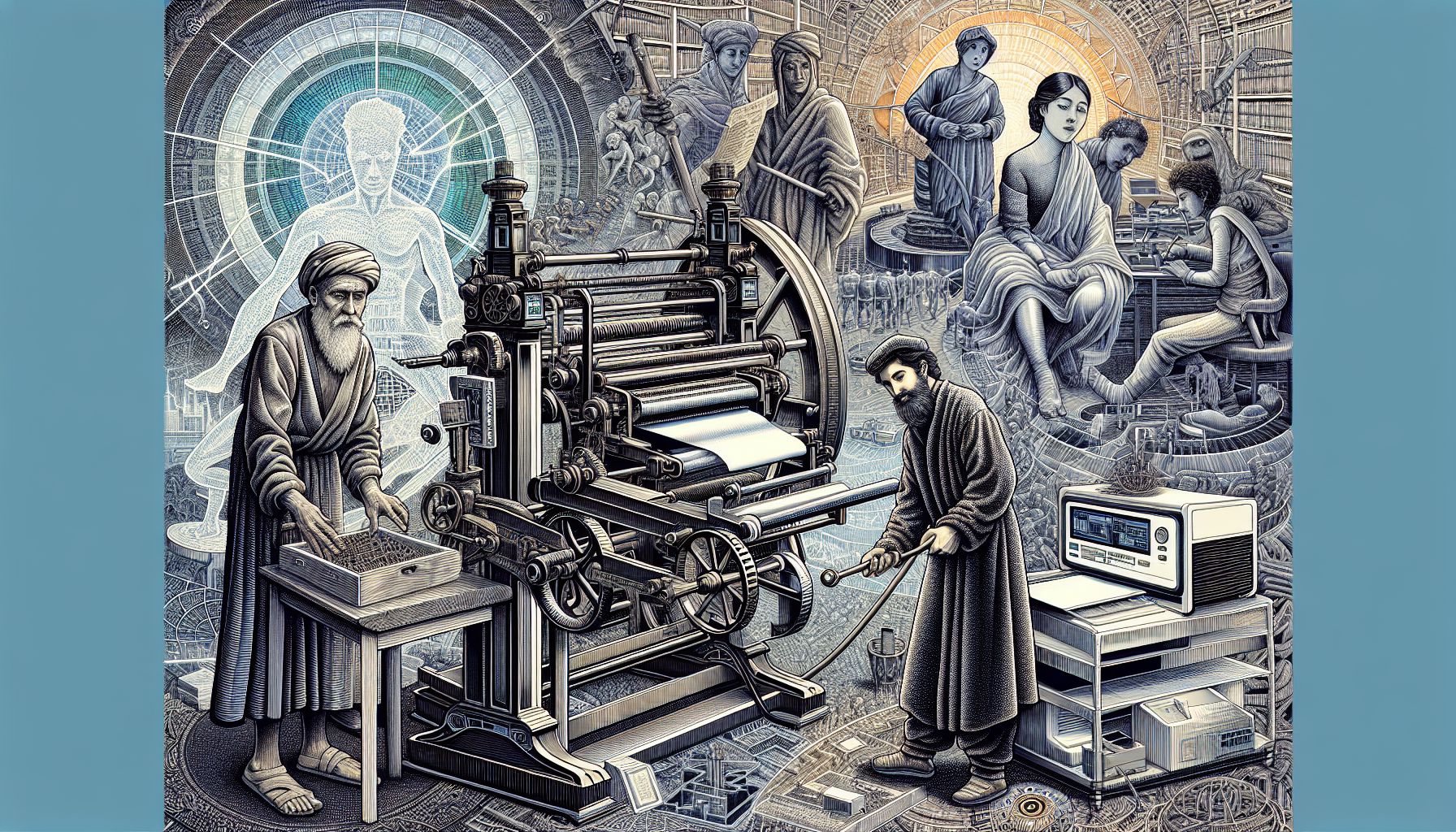
The printing industry is constantly evolving, driven by technological advancements and changing consumer demands. In today’s digital age, the industry is experiencing significant shifts in various aspects, including technology, sustainability, personalization, and automation. Let’s delve into some of the key trends shaping the printing industry in 2021 and beyond.
Technology Integration
One of the most significant trends in the printing industry is the integration of advanced technologies such as digital printing, 3D printing, and augmented reality. Digital printing has revolutionized the industry by allowing for faster turnaround times, lower costs, and the ability to produce personalized and variable data printing.
3D printing, on the other hand, has opened up a whole new world of possibilities, enabling the production of complex and customized prototypes, products, and parts. As the technology becomes more accessible and affordable, we can expect to see further integration of 3D printing across various industries.
Augmented reality (AR) is another technology that is gaining traction in the printing industry. AR-enhanced print materials can provide interactive and engaging experiences for consumers, blurring the lines between the physical and digital worlds. This trend is expected to continue as brands look for innovative ways to capture the attention of their target audience.
Sustainability Initiatives
With increasing concerns about environmental sustainability, the printing industry is also making strides towards more eco-friendly practices. Print companies are implementing measures to reduce waste, conserve resources, and decrease their carbon footprint. This includes using recycled paper, eco-friendly inks, and energy-efficient printing processes.
Furthermore, the demand for sustainable packaging solutions is on the rise, with consumers becoming more conscious of the environmental impact of packaging materials. Printers are increasingly offering eco-friendly packaging options, such as biodegradable and compostable materials, to meet this growing demand.
In addition to environmental sustainability, social sustainability is also a key focus for many printing companies. By supporting diversity and inclusivity in the workforce, print businesses can create a more equitable and resilient industry.
Personalization and Customization
In today’s digital age, consumers expect personalized and customized experiences in all aspects of their lives, including print materials. The printing industry has responded to this demand by offering personalized printing services that allow for unique and tailored products. From personalized marketing materials to customized packaging, print companies are leveraging data and technology to deliver more targeted and relevant content to their customers.
Variable data printing (VDP) is a technology that enables the customization of printed materials with individualized text, images, and graphics. This allows businesses to create highly personalized campaigns that resonate with their target audience. As the demand for personalized printing continues to grow, we can expect to see further advancements in this area.
Automation and Efficiency
Automation is another significant trend in the printing industry, driven by the need for increased efficiency and reduced costs. By automating various processes such as prepress, printing, and finishing, print companies can streamline their operations and improve productivity. Automated workflows also help to minimize human error and ensure consistency in print quality.
Additionally, the integration of artificial intelligence (AI) and machine learning technologies is transforming the printing industry by enabling predictive maintenance, automated color management, and real-time monitoring of production processes. These advancements help print businesses to optimize their operations and deliver better results to their clients.
Conclusion
The printing industry is undergoing rapid transformation, driven by technological innovations, sustainability initiatives, personalization trends, and automation efforts. By embracing these trends and staying ahead of the curve, print businesses can position themselves for success in an increasingly competitive market. As consumer expectations continue to evolve, print companies must adapt to meet the demands for more personalized, sustainable, and efficient printing solutions. By leveraging the latest technologies and adopting eco-friendly practices, the printing industry can continue to thrive in the digital age.