The printing industry, amidst the noise of the digital revolution, has managed to not just survive but evolve and adapt to shifting trends. It has undergone a transformation, embracing new technologies and becoming more relevant in the digital age. Among the key areas of change are the rise in digital printing, the focus on environmental sustainability, packaging innovations, and the synergistic blend of print and digital.
Emphasis on Digital Printing
Undeniably, the dominance of digital technology has influenced every sphere of life. The printing industry is no different and has witnessed significant uptake of digital printing. Digital printing, as opposed to traditional methods, offers more flexibility, time efficiency, and cost-effectiveness. It allows easy printing of variable data like personalizing each piece of printed material – a feature that is much appreciated in sectors like direct mail marketing where personalized communication is key. As per reports by Smithers, the global digital printing market is forecasted to reach $225 billion by 2024.
Digital printing has brought another interesting trend to fore – print on demand. It allows businesses to print exactly what they need, when they need it, avoiding the accumulation of outdated printed material. It also gives room for creativity and personalization, encouraging more businesses to use printed material for marketing, education, and branding.
A Conscious Shift towards Sustainability
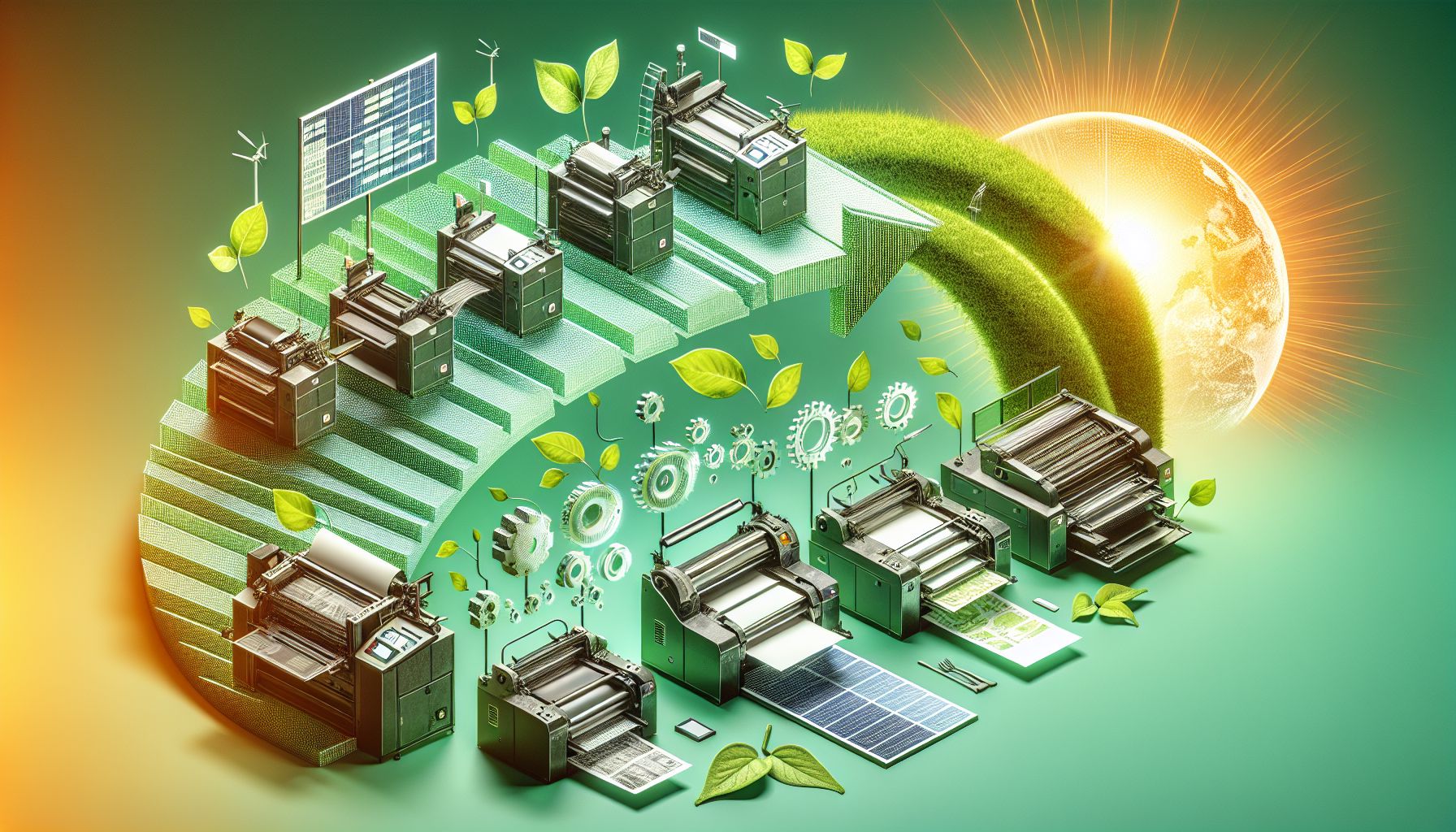
Along with digitization, environment consciousness is another key trend in the printing industry. With more people awakening to the urgency of ecological issues, there is upward pressure on industries to become more sustainable. This trend is visible in the form of green printing or eco-friendly printing, using renewable energy sources, recycling, and minimizing waste to reduce the carbon footprint.
Sustainable practices are not just about being ecologically conscious. They also help companies reduce waste and achieve efficiencies. For instance, using vegetable-based inks and recycled paper reduces wastage and increases recyclability. During an era wherein corporate social responsibility plays a crucial role in shaping a company’s image, these green initiatives reflect positively on their brand.
Innovative Packaging is Key
Packaging is a primary segment within the printing industry and it is seeing innovative advancements. With a staggering rise in e-commerce, companies are willing to invest more in product packaging to enhance customer experience and build a strong brand identity. They are leveraging technologies like 3D printing, digital print, and IoT-enabled packaging to create attractive, functional, and interactive packaging.
Moreover, eco-friendly packaging is a prominent sub-trend within the packaging domain. Businesses are using sustainable materials for packaging, ensuring that it is recyclable or compostable. This aligns with the larger shift towards a circular economy and positions the brand favorably in the eyes of eco-conscious consumers.
Merging of Print and Digital
While the rise of digital technology caused fears of the print medium dying out completely, the industry has seen a surprising trend of digital and print merging to create even more compelling forms of communication. Augmented Reality (AR) is an exciting example of how the line between print and digital is becoming blurred. AR can make a printed material come alive through a smartphone or wearable device, providing an interactive and immersive experience.
For instance, a product brochure can be scanned through an AR app to launch a virtual product demonstration. Or, an AR-enabled billboard can make passers-by part of a virtual, interactive marketing campaign. This fusion of print and digital is evidence that the printing industry has more to offer and will continue to be relevant, if not essential, in the digital age.
Conclusion
The printing industry has not lost its relevance in the digital era; instead, it has evolved to align with emerging trends and consumer demands. With the emphasis on digital printing and the conscious shift towards sustainability, it has demonstrated its resilience and adaptability.
Moreover, with the focus on innovative packaging and the merging of digital solutions with traditional printing, the industry proves that print is not an obsolete medium. Rather, it has found new and creative ways to reach consumers and strengthen brand messaging.
In the ever-changing landscape of digitization and sustainability, the printing industry stays current and innovative. Its pattern of growth reveals an industry flexible enough to move with the times, while maintaining its core value – delivering messages in a tangible and lasting way. The future of printing, like its past, is dynamic and energetic, holding immense potential.