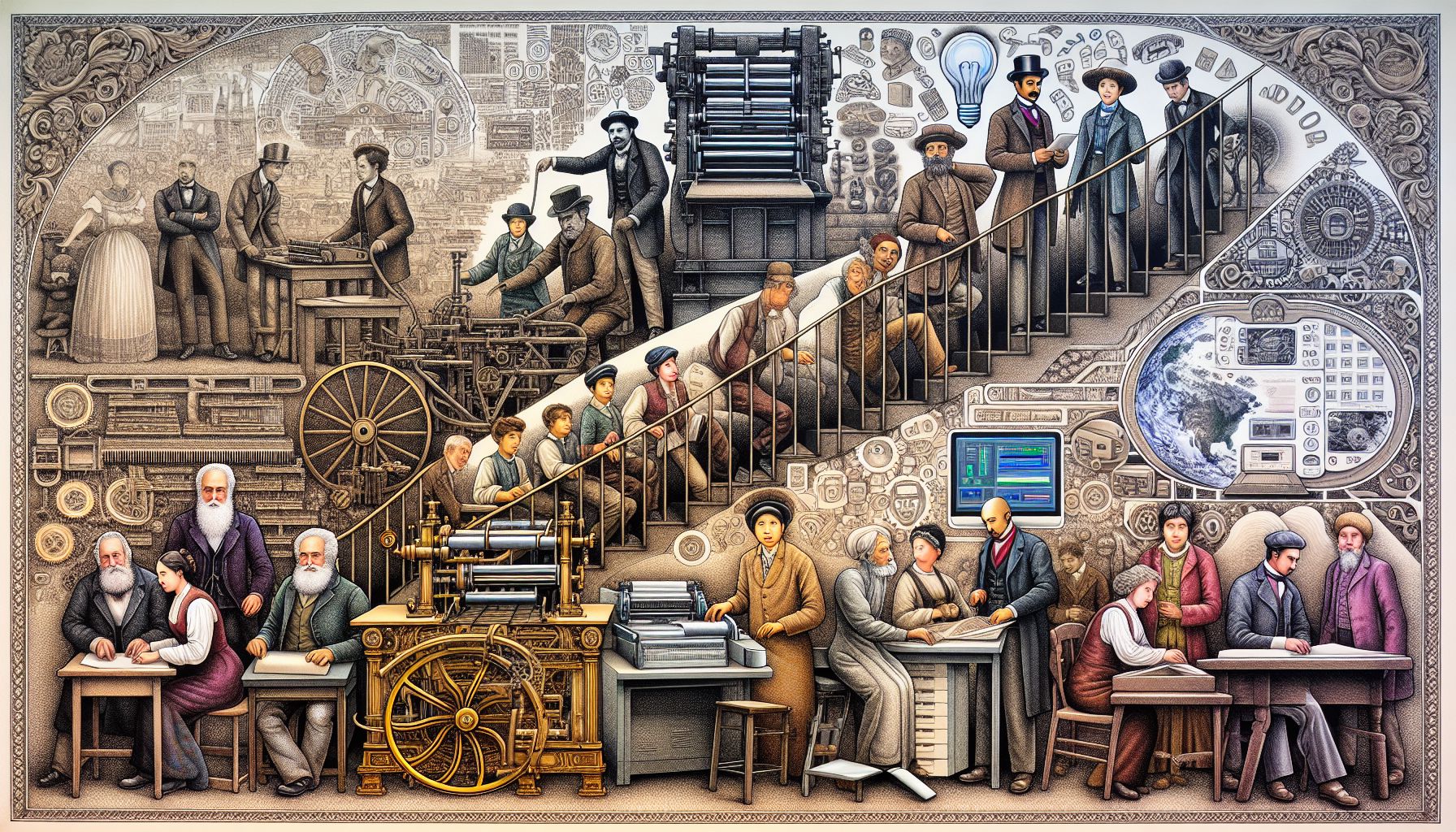
In any sector, keeping up with trends and technology is vital for business sustenance and growth, and the printing industry is no exception. From the introduction of movable type during the Song Dynasty in ancient China to the recent advancements in 3D printing – the printing world has constantly evolved to better cater to consumer needs and preferences. This blog post will delve into some of the key trends and technologies that are currently steering the printing industry.
1. Digital Printing
Rising Dominance of Digital Printing
In the past, print companies primarily relied on conventional printing techniques like offset and flexographic printing. However, the tides are changing, with digital printing increasingly dominating the market. Digital printing offers numerous advantages, such as shorter run lengths, customized printing, quicker turnaround time, consistency in print quality, and a wider range of substrates. The growing shift towards personalized packaging and marketing material is a significant driver of this trend.
Wide Format becoming mainstay
Another significant trend in the digital printing landscape is the rising preference for wide format printing. Wide format printers are increasingly becoming a necessity rather than a luxury for print service providers, driven by the demand for large indoor and outdoor advertising tools like banner stands, vehicle wraps, and billboards.
2. Sustainable Printing
Emphasis on Green Printing
With growing environmental consciousness, businesses are leaning towards a greener operational approach, and this trend furthers into the printing industry. There is an increasing demand for sustainable printing practices involving energy-efficient printers, recycled paper, and eco-friendly inks. Customers, especially millennials, are asking about the carbon footprint of their printed products, encouraging companies to use sustainable materials and processes.
The Rise of Ecolabels
In alignment with the move towards sustainable printing, ecolabels are gaining prominence. Ecolabels certify that a product meets a certain environmental standard, providing assurance to customers that their purchase is eco-friendly. Printing companies that adopt these labels can leverage this to differentiate themselves from their competitors.
3. Technological Innovations
3D Printing
3D printing, once restricted to prototyping, is now being utilized in various lucrative sectors like healthcare, automotive, aerospace, and fashion, to name a few. It opens up new avenues for doing business, with the potential to revolutionize specific sectors like personalized medicine, prosthetic development, and custom-built machinery.
Artificial Intelligence and Automation
Artificial Intelligence (AI) and automation are no stranger to the print industry. They are being utilized to streamline workflows, improve prepress activities, and maximize equipment utilization. As the technology matures, expect more AI-enabled applications that can monitor print performance, troubleshoot issues in real-time, and make predictive analytics to reduce downtime and production lags.
4. E-commerce in the Printing Industry
The e-commerce wave has hit the printing industry as well, with businesses launching print e-commerce platforms. Online print platforms allow the customer to design their product, choose the material to print on, the type of ink, and finally place the order, all with a few clicks. This trend gives the customer more control over the final product, thereby improving customer engagement and satisfaction while saving time and cost.
In conclusion, the trends in the printing industry clearly echo the larger global trends in sustainability, personalized products or services, and digital transformation. Given how rapidly technologies evolve, it’s not far-fetched to imagine even more innovative trends influencing the printing industry in the future.
While staying ahead of these trends can be challenging, it’s absolutely necessary to remain competitive in today’s market. Therefore, printing companies need to continually re-evaluate their strategies and embrace the changes that these trends bring. Ultimately, it is those companies that adapt and innovate in line with these trends who will offer the most value to their clients, thereby securing more substantial market success.