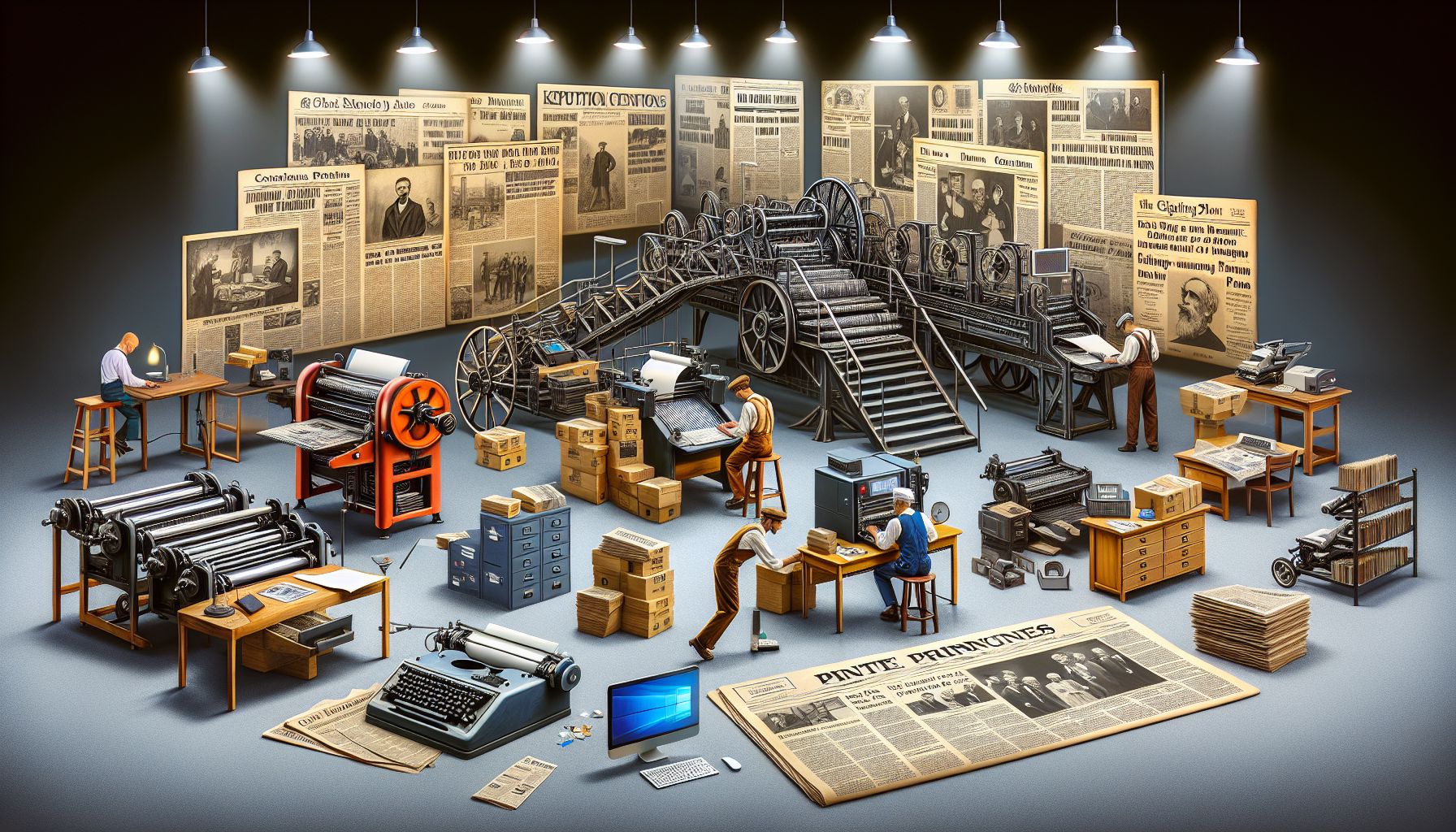
The printing industry has always been a constantly changing and evolving field, with new technologies and advancements shaping the way we think about printing and design. In the digital age, where everything is moving towards a more digital and online space, traditional printing methods have had to adapt in order to stay relevant and competitive. In this blog post, we will explore some of the latest trends in the printing industry and how they are shaping the future of this dynamic field.
Introduction to Printing Industry Trends
With the rise of digital printing and online marketing, the printing industry has had to reinvent itself in order to remain competitive in today’s fast-paced world. Traditional offset printing has been steadily declining in popularity, as more businesses turn to digital printing for their marketing needs. Digital printing offers faster turnaround times, lower costs, and the ability to print on demand, making it a more attractive option for many businesses.
In addition to digital printing, other trends in the printing industry include the rise of environmentally friendly printing practices, the increasing use of personalization in print marketing, and the integration of augmented reality and other technologies into printed materials. These trends are reshaping the printing industry and opening up new opportunities for businesses to reach their target audiences in innovative and engaging ways.
Key Trends in the Printing Industry
1. Digital Printing
Digital printing has become increasingly popular in recent years, thanks to its ability to offer high-quality prints at a lower cost and with a faster turnaround time than traditional offset printing. Digital printing also allows for greater customization and personalization, making it a popular choice for businesses looking to create unique and targeted marketing materials.
2. Environmentally Friendly Printing Practices
As more businesses and consumers become aware of the environmental impact of printing, there has been a growing demand for environmentally friendly printing practices. Many printing companies are now offering eco-friendly options, such as recycled paper, soy-based inks, and energy-efficient printing processes. These practices not only help to reduce the carbon footprint of the printing industry but also appeal to consumers who are looking for sustainable products and services.
3. Personalization in Print Marketing
Personalization has become a key trend in print marketing, as businesses look for ways to create more targeted and effective marketing materials. By personalizing print materials with names, images, and other customized elements, businesses can create a more engaging and memorable experience for their target audience. Personalization can help to increase response rates and drive customer loyalty, making it a valuable tool for businesses looking to stand out in a crowded marketplace.
4. Integration of Technology
The printing industry is also seeing an increase in the integration of technology into printed materials, such as augmented reality, QR codes, and NFC tags. These technologies allow businesses to create interactive and engaging print materials that can drive customer engagement and provide valuable data insights. By combining traditional print materials with digital technology, businesses can create a more immersive and interactive experience for their target audience.
Conclusion
The printing industry is constantly evolving, with new technologies and trends shaping the way businesses create and distribute printed materials. From digital printing to environmentally friendly practices to personalized marketing, the printing industry is adapting to meet the changing needs of businesses and consumers in today’s digital age. By embracing these trends and staying ahead of the curve, businesses can create more engaging and effective print materials that help to drive customer engagement and loyalty. As the printing industry continues to evolve, it will be exciting to see how these trends continue to shape the future of this dynamic field.