
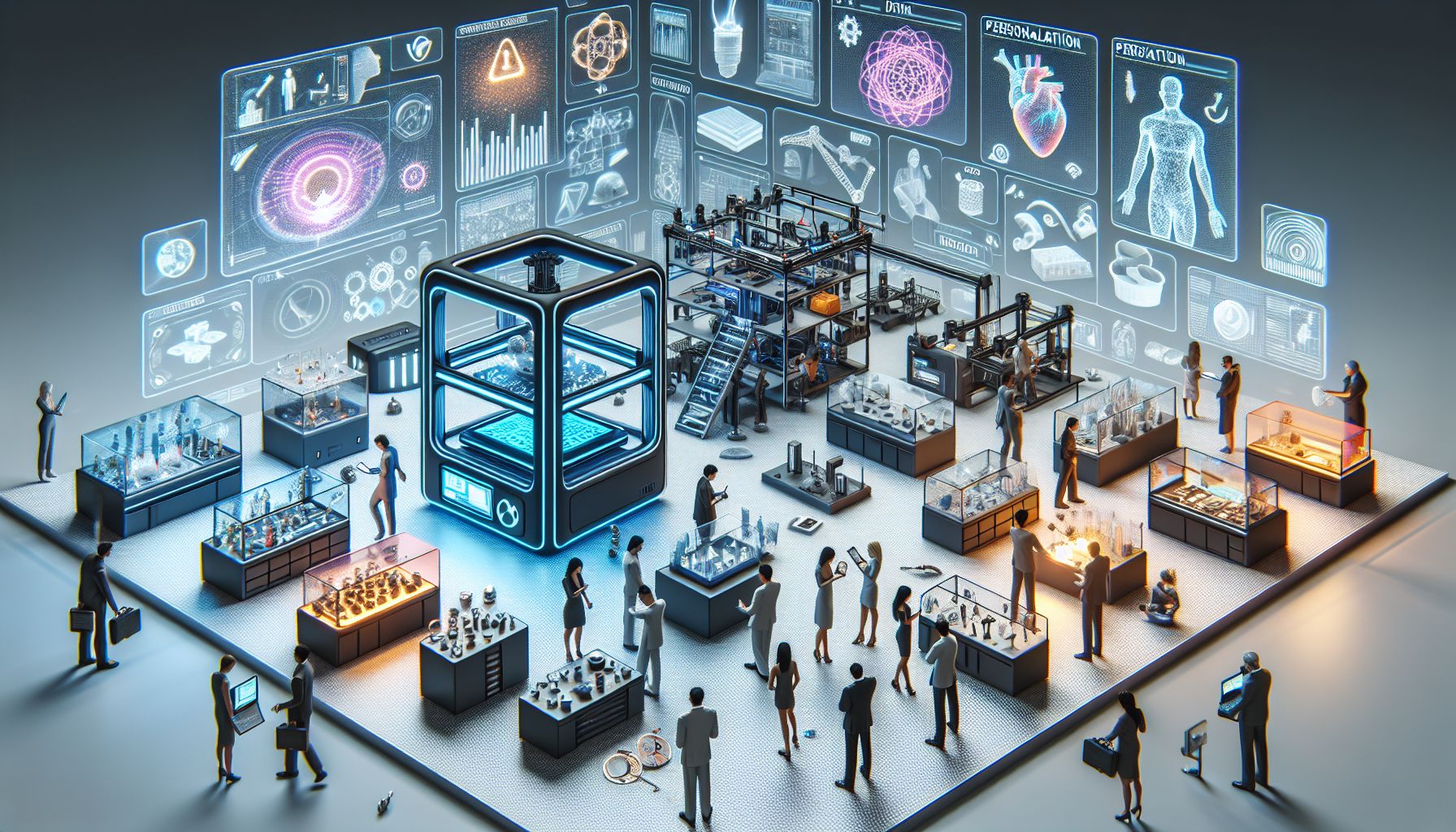
In today’s digital age, the printing industry is continuously evolving to keep up with the changing demands of consumers and advancements in technology. From 3D printing to environmentally sustainable practices, there are several key trends shaping the future of the printing industry. In this article, we will explore some of the most significant trends in the printing industry and how they are impacting the way businesses and consumers approach printing.
Introduction to Digital Printing
One of the most significant trends in the printing industry is the shift towards digital printing. Digital printing offers several advantages over traditional offset printing, including faster turnaround times, lower costs for short print runs, and the ability to customize prints easily. As a result, many businesses are now turning to digital printing for their marketing materials, packaging, and other printed products.
Digital printing also allows for more personalized printing solutions, such as variable data printing, which enables businesses to create custom prints for individual customers. This level of personalization can help businesses stand out from the competition and connect with customers on a more personal level.
3D Printing Innovation
Another trend that is shaping the future of the printing industry is 3D printing. 3D printing technology has advanced significantly in recent years, allowing for the creation of complex and detailed 3D printed objects. This technology has a wide range of applications, from rapid prototyping in the manufacturing industry to personalized products in retail.
As 3D printing technology continues to improve and become more affordable, we can expect to see a rise in the use of 3D printing in various industries. From custom medical implants to personalized fashion accessories, 3D printing has the potential to revolutionize how products are designed and manufactured.
Sustainable Printing Practices
With increasing concern for the environment, sustainability has become a significant trend in the printing industry. Businesses are now looking for ways to reduce their carbon footprint and minimize waste in their printing processes. This has led to the development of eco-friendly printing practices, such as using recycled paper, vegetable-based inks, and energy-efficient printing equipment.
Many consumers are also becoming more conscious of the environmental impact of their purchasing decisions, leading to a growing demand for sustainable printing products. Businesses that adopt sustainable printing practices can not only reduce their environmental impact but also attract environmentally conscious customers who value sustainable products.
Automation and Efficiency
Automation is another trend that is reshaping the printing industry. Automated printing processes can help businesses streamline their workflow, reduce errors, and increase efficiency. From automated prepress workflows to robotic printing systems, automation has the potential to revolutionize how printing companies operate.
By embracing automation, businesses can save time and money, improve the quality of their prints, and stay competitive in a fast-paced industry. As technology continues to advance, we can expect to see more innovative solutions that further automate and optimize printing processes.
Conclusion
The printing industry is constantly evolving, driven by advancements in technology, changing consumer preferences, and a growing focus on sustainability. From digital printing to 3D printing, sustainability, and automation, these trends are shaping the future of the printing industry.
As businesses and consumers continue to demand high-quality prints, faster turnaround times, and environmentally friendly products, printing companies must adapt to these trends to stay competitive and meet the changing needs of their customers. By embracing these trends and leveraging the latest printing technologies, businesses can position themselves for success in an increasingly digital and environmentally conscious world.