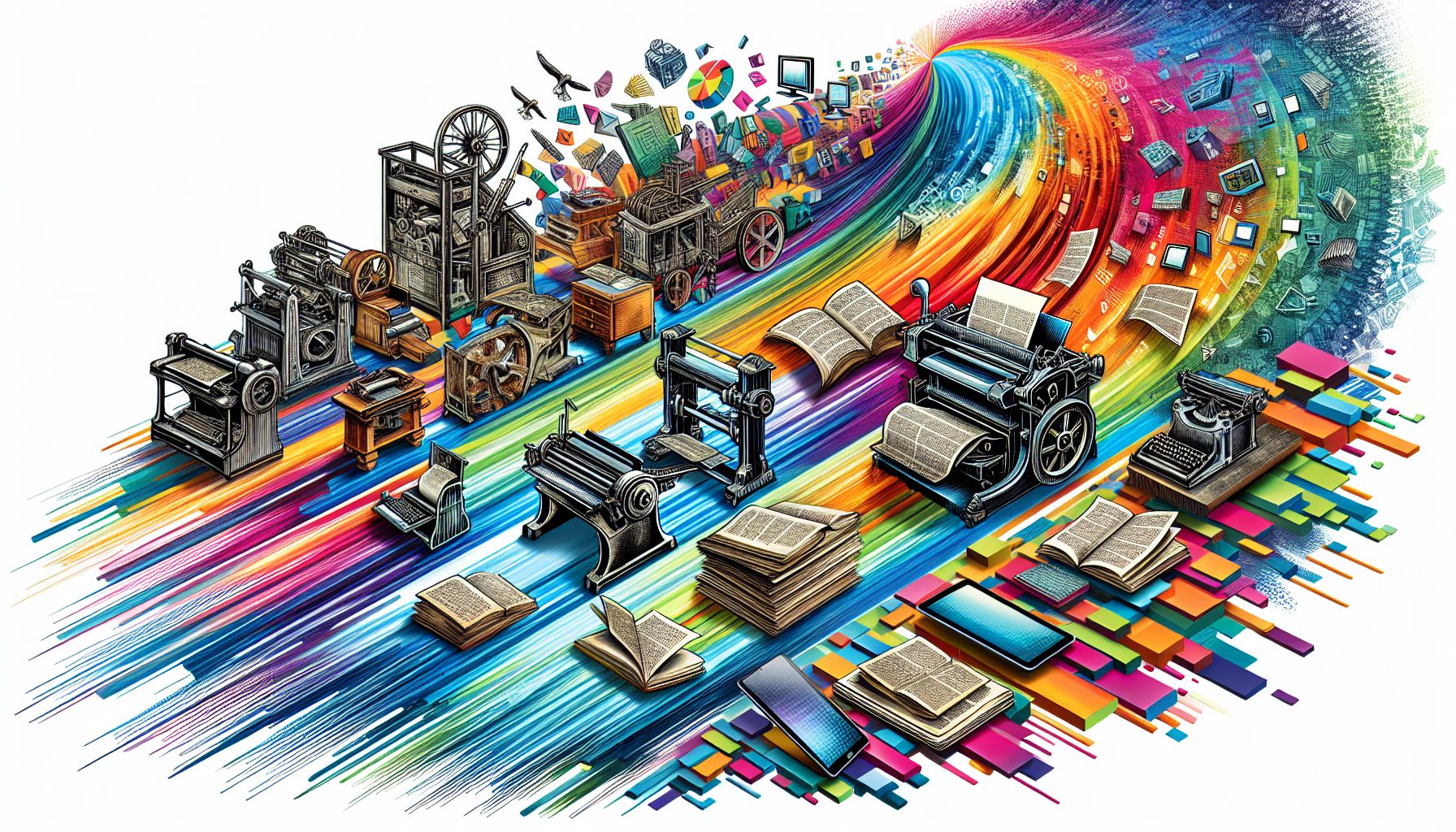
In today’s digital age, the printing industry is constantly evolving to keep up with changing technology, consumer demands, and market trends. As we move further into the 21st century, it’s important for businesses in the printing industry to stay ahead of the curve and adapt to these changes in order to remain competitive.
In this article, we’ll explore some of the key trends shaping the printing industry today and discuss how businesses can leverage these trends to drive growth and innovation.
Digital Printing Continues to Rise
One of the most significant trends in the printing industry today is the continued rise of digital printing technology. Digital printing offers several advantages over traditional offset printing, including faster turnaround times, lower costs for short print runs, and the ability to customize prints on a large scale.
As digital printing technology continues to improve and become more affordable, we can expect to see a greater shift towards digital printing in the coming years. This trend is particularly noticeable in the packaging and label printing sectors, where short print runs and customization are becoming increasingly important.
Sustainability and Eco-Friendly Practices
In recent years, there has been a growing emphasis on sustainability and eco-friendly practices within the printing industry. Consumers are becoming more conscious of the environmental impact of their purchases, and this is driving businesses to adopt more sustainable practices in their printing operations.
Many printing companies are now investing in eco-friendly materials, energy-efficient equipment, and waste reduction strategies to minimize their environmental footprint. In addition, there is a growing demand for sustainable printing options, such as recycled paper and biodegradable inks, from consumers and businesses alike.
Personalization and Customization
Another key trend in the printing industry is the increasing demand for personalized and customized products. With advancements in digital printing technology, businesses are now able to offer highly customized prints at a relatively low cost, making it easier for consumers to create unique and personalized products.
From personalized marketing materials to custom packaging and labels, businesses are finding new and innovative ways to cater to the individual preferences of their customers. This trend is especially popular among millennials and Gen Z consumers, who value products that are tailored to their specific tastes and preferences.
Automation and Industry 4.0
As technology continues to advance, automation is becoming an increasingly important trend in the printing industry. By leveraging automation tools and Industry 4.0 technologies, businesses can streamline their operations, improve efficiency, and reduce costs.
Automation can help printing companies to automate repetitive tasks, such as pre-press preparation and quality control, allowing employees to focus on more value-added activities. In addition, Industry 4.0 technologies, such as Internet of Things (IoT) devices and data analytics, can provide businesses with valuable insights into their printing processes, enabling them to make data-driven decisions and optimize their operations.
Conclusion
In conclusion, the printing industry is undergoing a period of rapid change and evolution, driven by advances in technology, changing consumer preferences, and market trends. By staying informed about these key trends and adapting their business strategies accordingly, printing companies can position themselves for success in the years to come.
Digital printing, sustainability, personalization, and automation are just a few of the trends shaping the future of the printing industry. By embracing these trends and leveraging them to their advantage, businesses can stay competitive and continue to drive growth and innovation in this dynamic and ever-changing industry.