
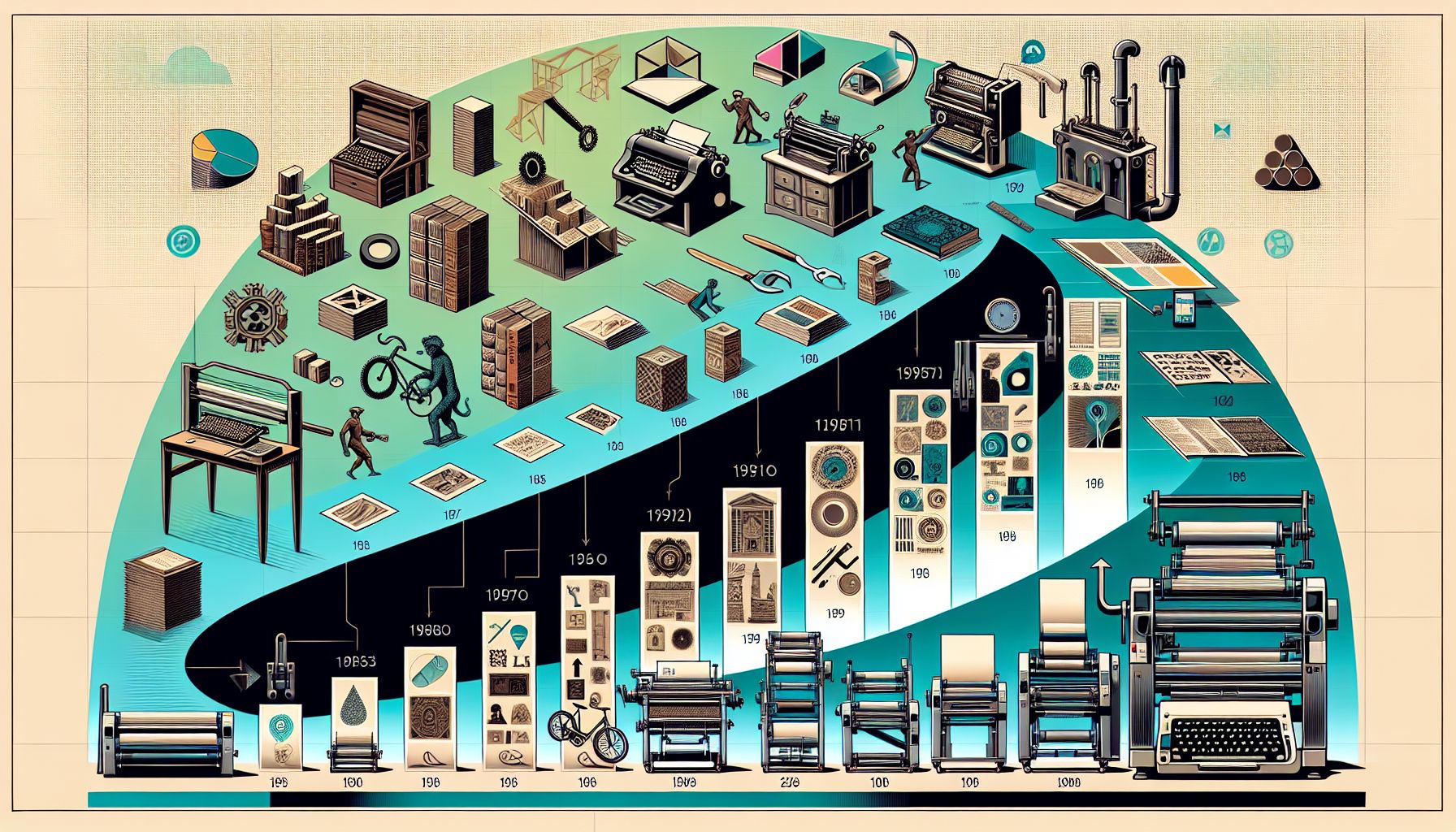
In today’s digital age, the printing industry continues to evolve and adapt to new technologies and consumer demands. With advancements in digital printing, automation, and sustainable practices, the printing industry has undergone significant changes in recent years. In this article, we will explore the current trends shaping the printing industry and how these trends are influencing the future of printing.
Introduction to the Printing Industry
The printing industry has a long history dating back to the invention of the printing press by Johannes Gutenberg in the 15th century. Over the centuries, printing technology has evolved from traditional methods such as letterpress and offset printing to digital printing techniques that offer greater precision and flexibility.
The printing industry plays a critical role in various sectors, including marketing, packaging, publishing, and manufacturing. Businesses rely on print materials to promote their products and services, communicate with customers, and create brand awareness. Despite the rise of digital marketing, print materials remain an essential component of a comprehensive marketing strategy.
Current Trends in the Printing Industry
1. Digital Printing
Digital printing has revolutionized the printing industry by offering fast, high-quality, and cost-effective printing solutions. Unlike traditional printing methods that require printing plates and setup fees, digital printing allows for on-demand printing with minimal setup time. This has made digital printing ideal for short print runs, personalized marketing materials, and variable data printing.
As technology continues to advance, digital printing equipment has become more sophisticated, enabling printers to achieve better color accuracy, resolution, and print quality. Digital printing also allows for quick turnaround times, making it easier for businesses to meet tight deadlines and respond to changing market demands.
2. Automation and Workflow Efficiency
Automation has become a key trend in the printing industry, as printers seek to streamline their workflows and improve efficiency. Automated processes such as job scheduling, prepress optimization, and finishing automation have helped printers reduce costs, minimize errors, and increase productivity.
Workflow automation software and technologies such as robotics and artificial intelligence are being integrated into printing operations to automate repetitive tasks and improve overall efficiency. By automating manual processes, printers can save time, reduce labor costs, and enhance the quality of printed materials.
3. Sustainable Practices
As environmental concerns become more prominent, sustainability has become a major trend in the printing industry. Printers are increasingly adopting eco-friendly practices such as using recycled paper, soy-based inks, and eco-conscious printing techniques to reduce their carbon footprint and minimize waste.
In addition to using sustainable materials, printers are also investing in energy-efficient printing equipment, implementing recycling programs, and pursuing certifications such as FSC (Forest Stewardship Council) and SFI (Sustainable Forestry Initiative) to demonstrate their commitment to environmental responsibility. Sustainable printing practices not only benefit the environment but also appeal to eco-conscious consumers who prefer to support businesses that prioritize sustainability.
4. Personalization and Variable Data Printing
Personalization has become a prominent trend in the printing industry, as businesses seek to create more targeted and engaging marketing materials. Variable data printing allows for customizing printed materials with unique text, images, and graphics to create personalized campaigns that resonate with individual recipients.
By leveraging data analytics and variable data printing technologies, businesses can create highly targeted marketing materials that deliver relevant and personalized messages to their target audience. Personalized printing has been shown to increase response rates, drive customer engagement, and ultimately, improve ROI for marketing campaigns.
5. Augmented Reality and Interactive Printing
Augmented reality (AR) and interactive printing have emerged as innovative trends in the printing industry, offering new possibilities for engaging customers and creating interactive print experiences. By incorporating AR technology into printed materials, such as brochures, business cards, and packaging, businesses can enhance the user experience and provide interactive content that blurs the line between physical and digital media.
Interactive print materials can be used to showcase 3D product models, play videos, provide additional product information, and even enable online purchases directly from printed materials. By integrating AR and interactive elements into printed materials, businesses can captivate audiences, drive brand awareness, and create memorable experiences that differentiate their marketing campaigns from competitors.
Conclusion
The printing industry is constantly evolving, driven by advancements in technology, changing consumer preferences, and market trends. From digital printing and automation to sustainability and personalization, the printing industry is adapting to new challenges and opportunities to stay ahead of the curve.
By embracing these trends and incorporating new technologies into their printing operations, printers can improve efficiency, enhance print quality, and differentiate themselves in a competitive market. As the printing industry continues to evolve, printers that embrace innovation and stay abreast of industry trends will be well-positioned to thrive in a rapidly changing landscape.