
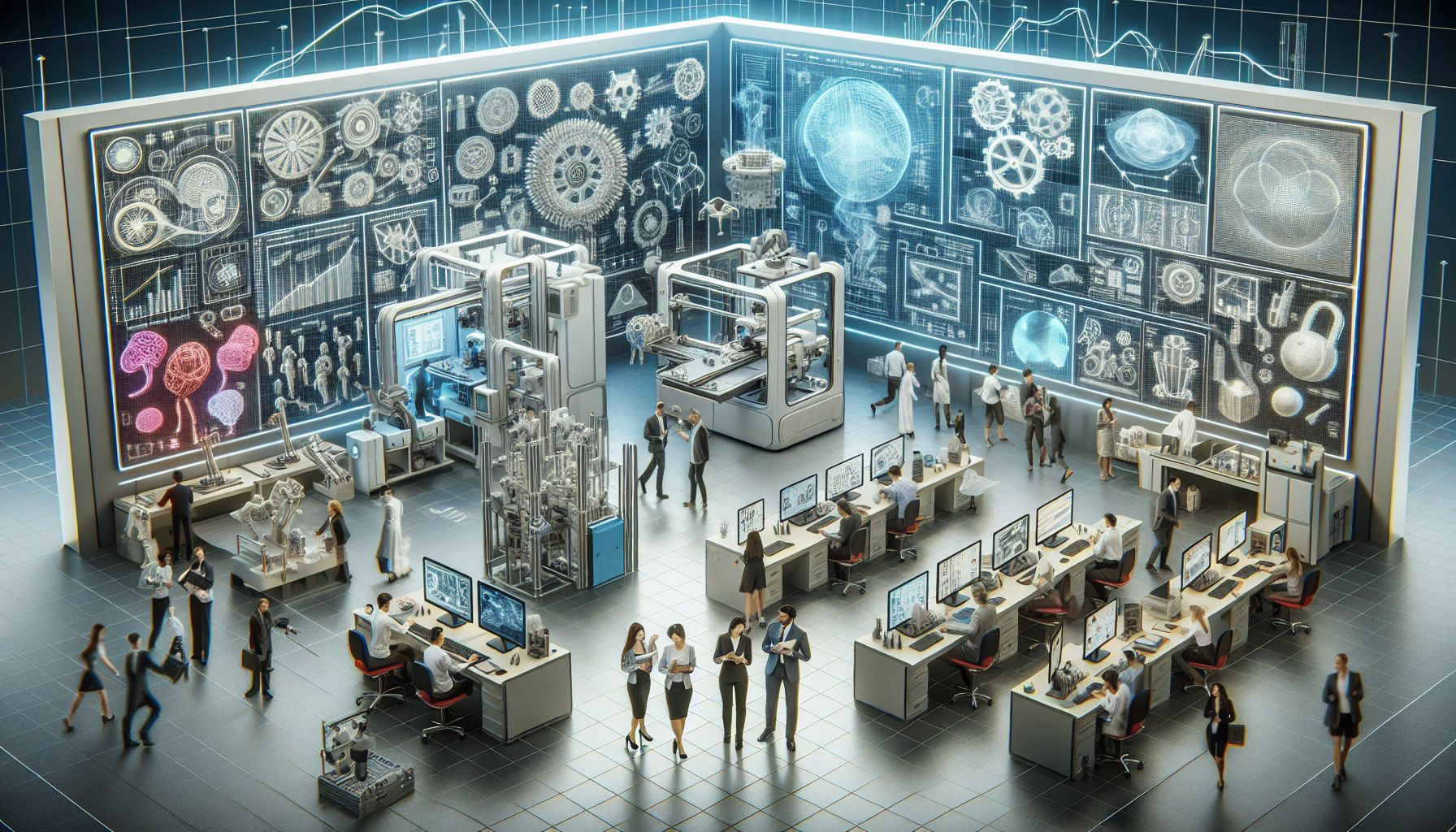
The printing industry has come a long way since the invention of Gutenberg’s printing press in the 15th century. From traditional letterpress to digital prints, the industry has constantly evolved to meet the demands of changing times. In recent years, there has been a significant shift towards digital printing and the integration of advanced technologies. In this blog post, we will explore the latest trends and innovations that are shaping the future of the printing industry.
Introduction
Printing, as a means of communication, has been instrumental in disseminating knowledge and information throughout history. Over the years, printing technology has seen many advancements, transforming the industry into a thriving sector. Today, the printing industry serves various sectors, including publishing, marketing, packaging, and more. Let’s delve into the latest trends that are revolutionizing printing and its future implications.
1. Digital Printing and Personalization
One of the most significant trends in the printing industry is the rapid growth of digital printing technology. Digital printing offers numerous advantages over traditional offset printing, such as faster turnaround times, cost-efficiency, and customization capabilities. With digital printing, businesses can easily incorporate personalization, allowing them to create targeted marketing materials and packaging designs.
Moreover, advancements in variable data printing (VDP) enable businesses to print unique content for each consumer, leading to higher engagement and conversion rates. This personalized approach has been proven to be highly effective in direct mail marketing, as well as in creating customized packaging solutions.
2. Sustainability and Eco-friendly Practices
In recent years, there has been a strong focus on sustainability and eco-friendly practices across various industries. The printing industry is no exception. Printers are increasingly adopting greener practices and technologies to reduce their carbon footprint and environmental impact.
The use of eco-friendly materials, such as recycled paper and vegetable-based inks, has gained popularity. These materials not only help to conserve natural resources but also provide a marketing edge for businesses that prioritize sustainability. Additionally, printing companies are investing in energy-efficient machines, implementing recycling programs, and adopting responsible waste management practices.
3. 3D Printing and Additive Manufacturing
3D printing, also known as additive manufacturing, has emerged as a game-changer in the printing industry. Unlike traditional printing methods, 3D printing allows the creation of three-dimensional objects by layering materials. This technology has found applications in various industries, including aerospace, healthcare, architecture, and automotive.
The ability to produce complex and customized objects with 3D printing has opened new possibilities for design, prototyping, and production. As the technology continues to improve, we can expect to see more widespread adoption of 3D printing across industries, revolutionizing manufacturing processes and supply chains.
4. Augmented Reality (AR) Integration
Augmented Reality (AR) is transforming the way we interact with printed materials. By integrating AR technology into print media, businesses can deliver enhanced, interactive experiences to their customers. By scanning a printed image or a QR code, users can access additional digital content, such as videos, animations, or product information, directly from their smartphones or other devices.
The integration of AR technology has significant implications for marketing and advertising. It allows businesses to create immersive experiences that engage customers, increase brand awareness, and drive sales. The combination of print and digital media opens up new opportunities for creativity and innovation in the industry.
5. Cloud-Based Printing and Web-to-Print Services
Cloud technology has revolutionized many industries, and printing is no exception. Cloud-based printing solutions and web-to-print services offer convenience, efficiency, and cost-savings for both businesses and consumers. These services allow users to upload, edit, and order prints online, simplifying the entire printing process.
Web-to-print services also enable businesses to streamline their marketing efforts. Through online portals, companies can create and manage marketing materials, ensuring brand consistency across various channels. The use of cloud-based printing services is expected to continue growing, especially with the rise of remote work and the need for flexible printing solutions.
Conclusion
The printing industry has continuously evolved to meet the changing needs of businesses and consumers. The rise of digital printing, coupled with personalization capabilities, has transformed the way businesses communicate and market their products. Sustainability practices have become a priority, with the industry adopting eco-friendly materials and technologies.
Additionally, the emergence of 3D printing, AR integration, and cloud-based printing services have opened up new avenues for innovation and creativity. These trends are revolutionizing various industries and transforming the traditional printing industry into a more dynamic, efficient, and customer-centric sector.
As technology continues to advance, we can expect the printing industry to evolve further. Keeping up with these trends and innovations will enable businesses to stay competitive and adapt to the changing demands of the market. The future of printing is undoubtedly exciting, and we can look forward to witnessing even more groundbreaking developments in the years to come.