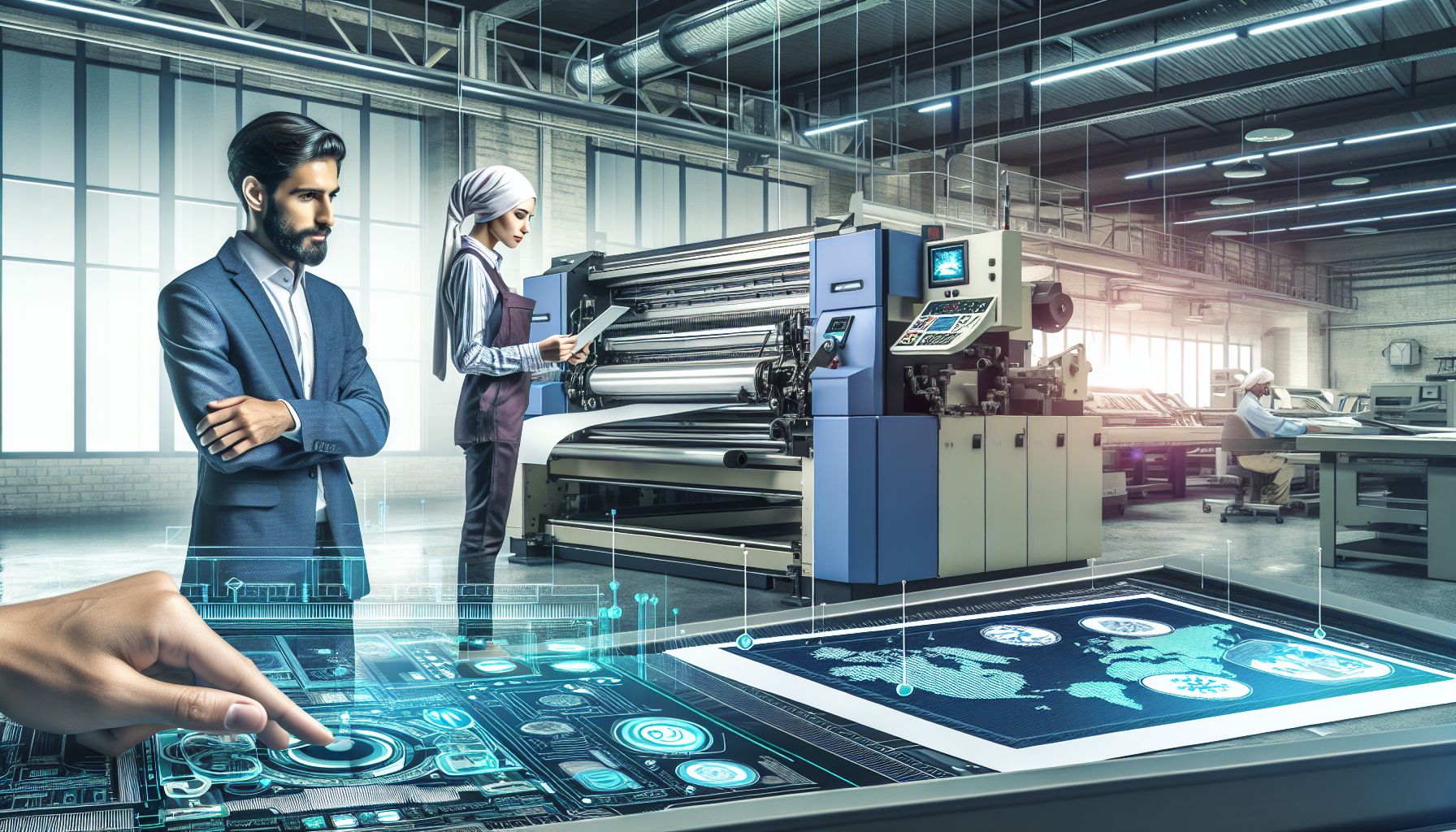
The printing industry has come a long way since the invention of the printing press in the 15th century. From humble beginnings, it has evolved into a multi-billion-dollar industry that continues to thrive in the digital age. As technology rapidly advances, print companies must stay informed about the latest trends to remain competitive. In this blog post, we will explore some of the key trends shaping the printing industry today and how businesses can adapt to leverage these opportunities.
Introduction
In today’s digital world, many may assume that print is becoming obsolete. However, the reality is quite the opposite. While digital marketing and online publishing have certainly affected the industry, the demand for printed materials remains strong. As consumers seek a more personalized and tactile experience, print materials provide a unique value proposition. To stay relevant and capitalize on this demand, print companies must embrace emerging trends and adopt new technologies.
1. Innovative Print Applications
Print is no longer limited to conventional applications like books, brochures, and business cards. Instead, print companies are exploring innovative ways to add value and engage customers. Augmented Reality (AR) is one such trend that is reshaping the print industry. By combining print materials with digital content, AR provides an interactive and immersive experience. For example, a printed advertisement can be brought to life on a consumer’s smartphone, delivering an engaging and memorable brand experience.
2. Sustainability and Eco-friendly Practices
In recent years, sustainability has become a major concern for businesses and consumers alike. Print companies are responding to this demand by adopting eco-friendly practices. From using recycled and biodegradable materials to incorporating sustainable printing processes, the industry is becoming more environmentally conscious. Consumers are increasingly choosing brands that demonstrate a commitment to sustainability, making it a crucial trend for print companies to embrace.
3. Technology Integration
Technology is continually transforming the printing industry. From advanced printing presses to intelligent automation, businesses are streamlining their operations and enhancing print quality. One notable technology trend is the integration of workflow management systems. These systems automate the entire printing process, from order intake to delivery, reducing errors and increasing efficiency. Additionally, web-to-print platforms enable customers to easily place orders online, enhancing convenience and reducing lead times.
4. Personalization and Variable Data Printing
Personalization has become a key driver of consumer engagement and loyalty. Print companies are leveraging variable data printing (VDP) to create highly customized materials that resonate with individual consumers. With VDP, businesses can tailor each piece of print material with specific text, images, and graphics based on individual preferences or demographic data. This level of personalization enhances the customer experience and leads to higher response rates, making it an essential trend to capitalize on.
5. 3D Printing
While still in its early stages within the printing industry, 3D printing has the potential to revolutionize how objects are manufactured. In the future, companies may be able to produce customized, intricate products on-demand, reducing costs and lead times. Although 3D printing is not yet widely adopted, it presents an exciting opportunity for print companies to diversify their offerings and remain ahead of the curve.
Conclusion
The printing industry is far from fading away. Instead, it is adapting to the digital age and embracing new opportunities. By staying informed about emerging trends and adopting new technologies, print companies can continue to thrive. From innovative print applications and sustainability initiatives to technology integration and personalization, there are numerous avenues for growth and success. The key is to embrace change, invest in modernization, and always prioritize the evolving needs of customers. So, as the industry continues to evolve, let us be inspired and ready to take on the challenges and opportunities ahead.