
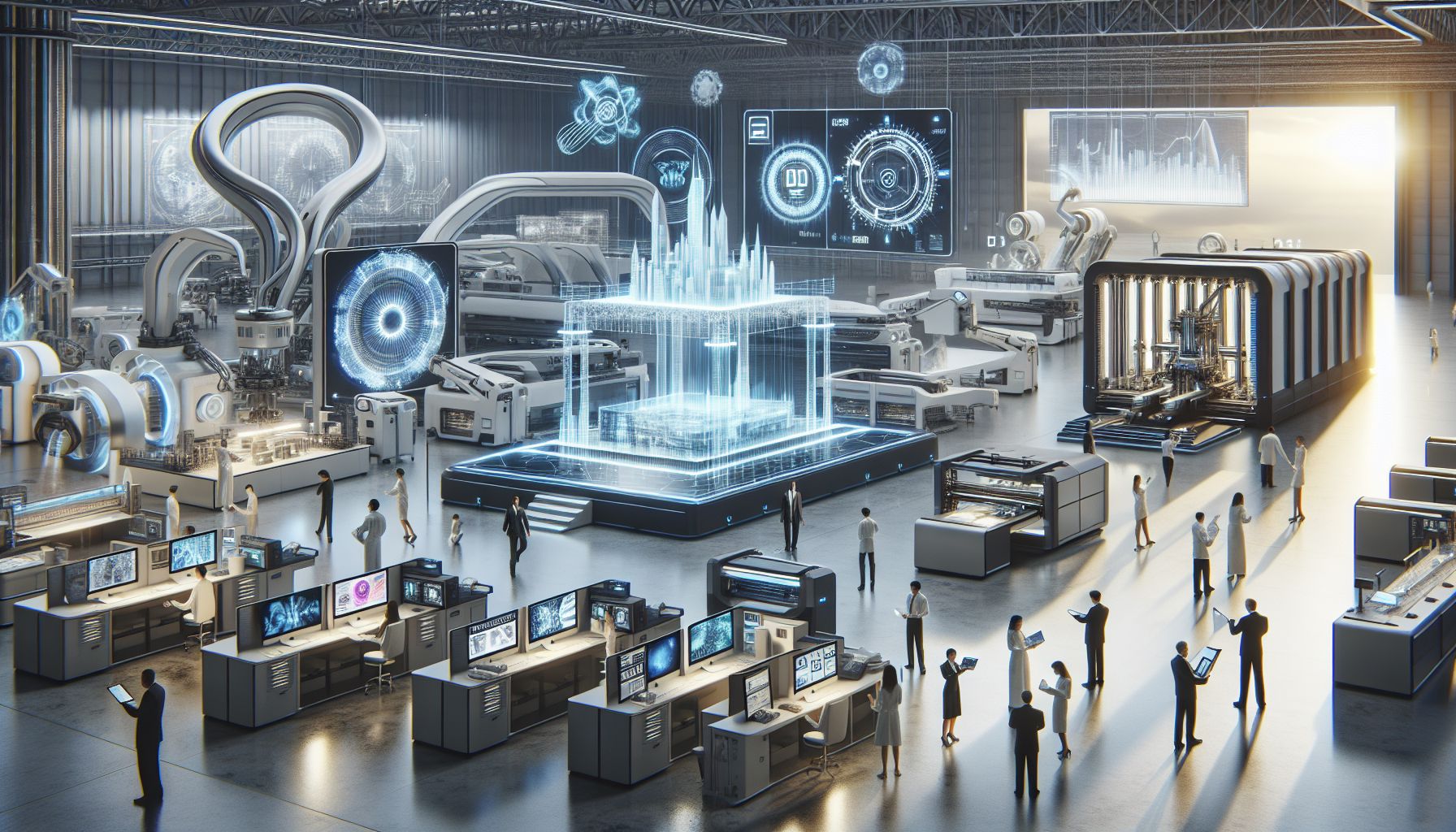
The printing industry has come a long way since its inception, evolving and adapting to various technological advancements over the years. From Gutenberg’s invention of the printing press to the digital revolution, printing has remained a fundamental part of our society. In this blog post, we will explore the latest trends in the printing industry and how they are shaping its future.
Introduction to the Printing Industry
Printing has been an essential method of communication since the 15th century. However, with the rise of digital technology, many predicted its eventual demise. Surprisingly, the printing industry has managed to maintain its significance by embracing new trends and adopting innovative technologies.
Today, the printing industry encompasses a wide range of applications, from commercial printing to packaging and labeling. Let us explore some of the latest trends that are shaping the future of this dynamic industry.
Trend #1: Digital Printing
Digital printing has revolutionized the industry by enabling quick and cost-effective printing solutions. Unlike traditional printing techniques that require printing plates, digital printing eliminates the need for setup time and allows for on-demand printing. This trend has gained traction in various sectors, including commercial printing, textiles, and packaging.
Digital printing offers several advantages, such as reduced printing costs, shorter turnaround times, and the ability to customize print materials efficiently. Furthermore, advancements in inkjet and toner technologies have improved the quality and speed of digital printing, making it a preferred choice for many businesses.
Trend #2: 3D Printing
3D printing, also known as additive manufacturing, has seen remarkable growth in recent years. This innovative technology allows the creation of three-dimensional objects by layering materials based on the digital design. While initially used in prototyping and small-scale production, 3D printing has evolved into a mainstream manufacturing tool.
The applications of 3D printing are diverse, ranging from healthcare and automotive industries to fashion and aerospace. This trend has significant implications for customization, as businesses can create tailor-made products cost-effectively. Moreover, 3D printing offers the advantage of reduced material waste and increased design freedom.
Trend #3: Sustainability in Printing
Sustainability has become a top priority in various industries, including printing. As the society becomes more environmentally conscious, businesses are striving to adopt eco-friendly practices. In the printing industry, this trend translates into using eco-friendly substrates, inks, and recycling/reusing materials.
Print service providers are actively implementing sustainable initiatives such as waste reduction, energy-efficient processes, and the use of recyclable materials. Customers, too, are increasingly opting for environmentally friendly printing options. This trend not only benefits the environment but also enables businesses to enhance their brand image and meet the expectations of socially responsible consumers.
Trend #4: Automation and Integration
Automation and integration of processes have transformed the printing industry, making it more efficient and cost-effective. With the advent of cloud-based software and web-to-print solutions, businesses can streamline their workflows and manage print orders seamlessly.
Automation has simplified various aspects of printing, such as file preparation, prepress, color management, and finishing. This trend reduces human error, increases productivity, and allows print service providers to handle large volumes of orders efficiently.
Integration with other technologies, such as customer relationship management (CRM) systems and e-commerce platforms, enables businesses to offer personalized and integrated printing solutions. This integration facilitates efficient order management, real-time tracking, and better customer engagement.
Trend #5: Augmented Reality (AR) in Printing
Augmented Reality (AR) is an emerging trend that adds a new dimension to the printing industry. By integrating AR technology, businesses can provide interactive and immersive experiences for their customers. From ad campaigns to packaging, AR enhances print materials by overlaying digital content on physical objects.
For instance, with the help of a mobile app, users can scan a printed catalog and see 3D models or video demonstrations of the products. This trend not only enhances customer engagement but also provides businesses with valuable insights about consumer behavior and preferences.
Conclusion
The printing industry has shown remarkable resilience and adaptability in the face of evolving technologies. From digital printing and 3D printing to sustainability initiatives, automation, and augmented reality, the industry continues to innovate and embrace new trends.
As businesses worldwide strive to meet the demands of a digital age while minimizing their environmental impact, the printing industry is poised for further transformation. By staying at the forefront of technological advancements and embracing sustainability practices, the industry has a promising future ahead.
The trends discussed in this blog post are just a glimpse of what lies ahead for the printing industry. By leveraging technology, sustainability, and customer-centric strategies, the printing industry will continue to play a pivotal role in our society, offering innovative solutions for communication, marketing, and manufacturing needs.