
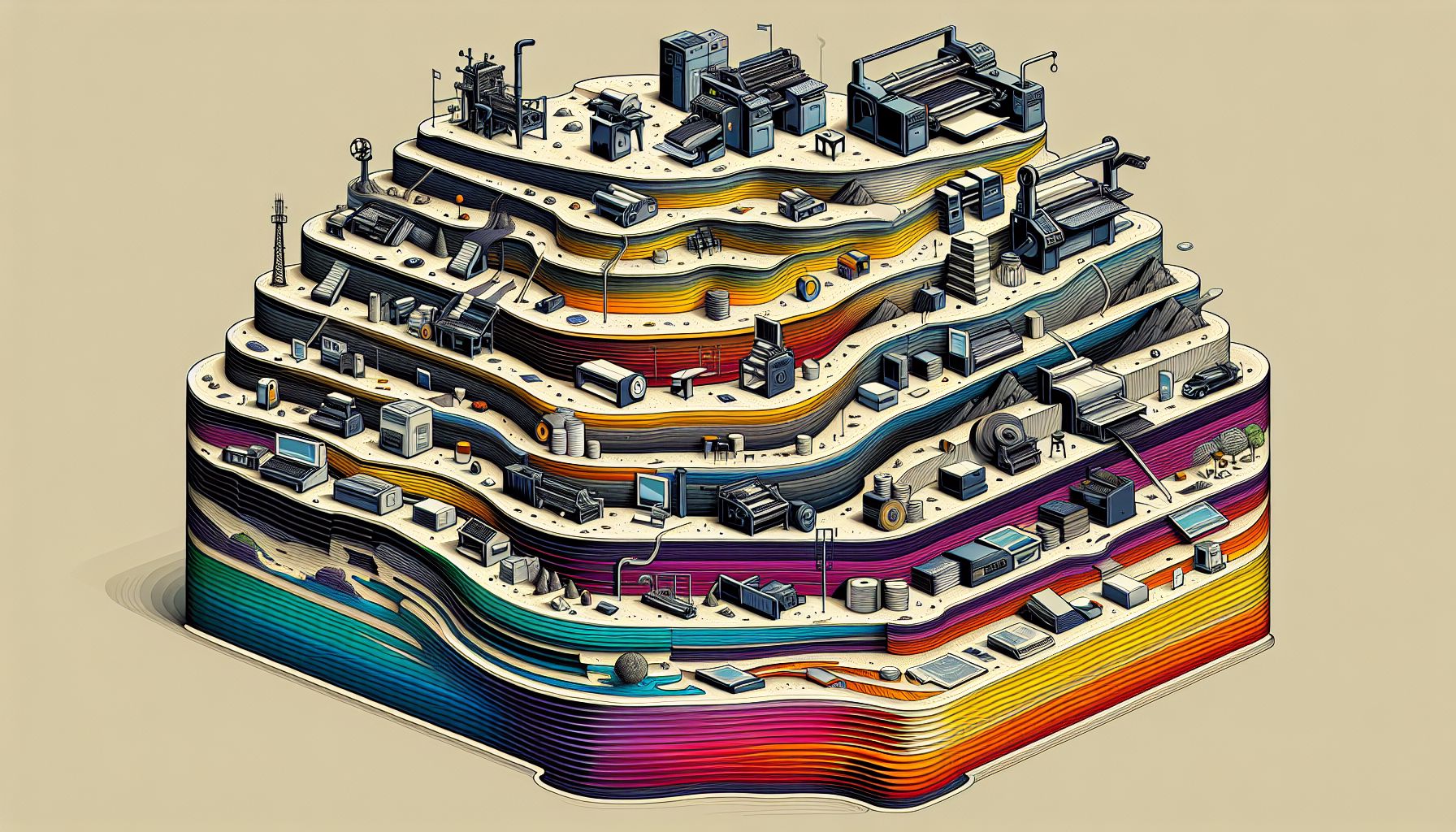
The printing industry has come a long way since the days of Gutenberg’s printing press in the 15th century. With the advent of digital technologies, this traditional sector has transformed significantly to meet the changing needs of businesses and consumers. In this blog post, we will explore the latest trends that are shaping the future of the printing industry.
Introduction: A Convergence of Analog and Digital
In an age dominated by digital media, the printing industry has faced numerous challenges. However, it has proven resilient by embracing new technologies and finding innovative ways to stay relevant. Today, we witness a convergence of analog and digital, where traditional print processes coexist and intertwine with digital advancements.
1. Personalization: Engaging Customers on a Deeper Level
In today’s competitive market, personalized communication has become crucial. Printing technologies are now capable of producing highly customized materials, allowing businesses to connect with their target audience on a deeper and more personal level. From customized direct mail campaigns to personalized packaging, the ability to tailor messages and designs to individual customers is revolutionizing print marketing.
2. Sustainable Practices: The Rise of Environmentally Friendly Printing
With growing concerns about climate change and environmental sustainability, the printing industry has shifted its focus towards eco-friendly practices. Today, numerous printing companies incorporate sustainable materials, energy-efficient processes, and recycling initiatives to reduce their carbon footprint. Consumers are increasingly demanding environmentally friendly products, making sustainability an essential trend to watch in the printing industry.
3. Augmented Reality (AR): Bridging the Gap Between Print and Digital
Augmented Reality has emerged as a game-changer in the printing industry. By integrating printed materials with digital components, AR blurs the line between physical and digital worlds. Print advertisements, brochures, and even product packaging can come to life when viewed through a smartphone or tablet. This combination of print and digital offers unparalleled opportunities for engagement and immersive brand experiences.
4. 3D Printing: Revolutionizing Prototyping and Manufacturing
One of the most transformative technologies in recent years, 3D printing continues to shape the printing industry. Originally used for rapid prototyping, it has evolved to enable the production of finished products across various industries. From automotive to healthcare, 3D printing has revolutionized manufacturing, enabling faster production and more cost-effective solutions. As the technology becomes more accessible, we can expect to see further advancements and applications in the printing industry.
5. On-Demand Printing: Meeting the Need for Speed and Efficiency
In our fast-paced society, businesses and consumers value speed and efficiency. On-demand printing, also known as Web-to-Print, enables quick and cost-effective production of collateral as per individual requirements. Whether it’s business cards, brochures, or large-format prints, this trend allows for shorter turnaround times and reduces waste. On-demand printing not only meets the demands of time-sensitive projects but also provides a more economical printing solution.
6. Integration of Artificial Intelligence (AI) and Automation
Artificial Intelligence and automation have touched nearly every industry, and the printing industry is no exception. AI-powered software can now automate numerous processes, such as prepress preparation, color correction, and file optimization. These technologies enhance efficiency, reduce errors, and streamline workflows. By automating repetitive tasks, printers can focus on more complex and creative aspects, leading to improved productivity and customer satisfaction.
7. Printing for Electronics: The Future of Functional Printing
Functional printing, or the printing of electronic components and circuits, is a rapidly developing area within the printing industry. From flexible displays to sensors, functional printing holds tremendous potential for applications in wearable technology, Internet of Things (IoT), and even healthcare devices. Innovations in conductive inks, substrates, and printing processes are driving this trend, which opens up new avenues for growth and diversification within the printing industry.
Conclusion: Embracing the Future of Printing
As the printing industry continues to evolve, embracing new technologies and adapting to changing customer demands is essential for long-term success. From personalization and sustainability to augmented reality and 3D printing, these trends redefine what is possible within the realm of printing. By staying at the forefront of these developments, printers can carve out new opportunities and meet the evolving needs of businesses and consumers alike.
So, whether you’re a printing company or a consumer, keep an eye on these trends, as they shape the present and future of the printing industry. With each passing year, the capabilities and possibilities of print continue to expand, making it an exciting time for this ever-evolving sector.